

I was 59 when I was diagnosed with colorectal cancer in 2008. My doctor had been saying I should get a colonoscopy for years, but I was busy with my work as a carpenter and had no symptoms, so I kept putting it off.
When I finally did get a colonoscopy, it was not the news I had expected or wanted to hear. Not only did they find cancer, but my doctor also said I needed to schedule surgery right away. During the operation, they removed 12 inches of my colon. The cancer was already stage 4 upon my initial diagnosis, and tests showed that the cancer had spread to my liver. The tumors in my liver were the greatest risk to my survival and became the focus of my treatment.
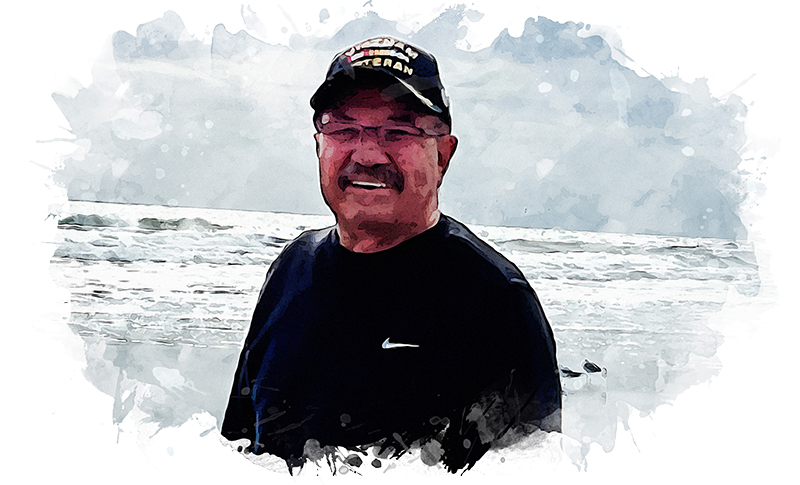
While I knew my prognosis wasn’t good, I wasn’t going to take my diagnosis lying down. I’m a Vietnam veteran and former high school wrestler, and my attitude from day 1 was that this was just another battle for an old soldier to fight. And I was prepared to fight like hell.
My Search For Treatment
After being diagnosed, I saw 2 local oncologists. They both said that the tumors in my liver were inoperable and that I had less than 2 years to live based on standard treatment. My wife, Connie, and I wanted to find more options, so we began seeking another opinion. We identified a specialist who happened to have a cancellation, and we were able to get an appointment the next day.
When we met with the specialist, she said I was a good candidate for a treatment called hepatic artery infusion (HAI) therapy, which uses an implantable pump to deliver medicine directly to tumors within the liver. She explained that clinical studies had shown that adding HAI therapy to full-body chemotherapy may reduce tumor size, increase the likelihood that the tumors in the liver could be removed, prevent or delay recurrence after tumor removal, and increase survival.
A Surprising Discovery
After our meeting with the specialist, I was able to have an HAI pump implanted, and I began treatment shortly thereafter. By using HAI therapy, my doctors were trying to get the tumors in my liver small enough to be able to remove them with surgery. One of the tumors was close to my main artery, and the doctors wanted to shrink it away from the artery to increase the chances of a successful surgery.
After a brief pause in my HAI therapy due to a bout of pneumonia, my doctor did a scan to assess where things stood and determine next steps. When I saw her face, she was smiling. She said all of the tumors were gone; there was nothing there to even operate on. According to her assessment, my HAI therapy had totally taken care of the tumors.
We restarted HAI therapy for a while to keep the tumors from coming back, but I’ve never had a recurrence. After treatment was completed, the doctors maintained my pump with a glycerin solution so it would remain in good working order should I need it for active treatment again. Eventually, we made the decision that it was time to have the pump removed altogether. By then, I had been cancer free for 8 years.
Just recently, I was getting the oil changed in my car, and I was wearing a cap with a “cancer survivor” pin. Another customer noticed it and told me she was an oncology nurse at a local facility and had just completed HAI therapy training. She said she was so excited to be talking to someone who had been treated with HAI therapy and was cancer free for so long. And I thought, “I’m amazed to be here, too.”
What I Learned While Living With Advanced Cancer
When I was diagnosed at age 59, people didn’t think I would make it to 60—but I’m about to celebrate my 77th birthday. I am still here, enjoying my life with my 3 grandchildren and the rest of my family. My cancer treatment made this possible for me, and I am grateful that I was able to find a specialist who worked with me to develop a successful treatment plan.
People sometimes ask what advice I have for other people diagnosed with stage 4 colorectal cancer. While this is just based on my experience, here are a few things I’d suggest:
- Stay active and keep positive. I retired from full-time work as a carpenter when I was diagnosed with cancer, but once I started feeling better, I started doing some side jobs to keep busy. I stopped surfing, but I walked every day and did what I could to remain active. I believe in staying positive and keeping your body as strong as you can for treatment. I’m very regimented, and I now go to the gym every Monday, Wednesday, and Friday in the morning. Other regulars say they’re amazed I’m there every time.
- Ask about all of your treatment options. I feel fortunate to have learned about HAI therapy by getting another expert opinion. I recommend that anyone with colorectal cancer talk with their healthcare team about all of their possible treatment options. Don’t be afraid to get a second opinion, either.
- Keep on fighting. I have 3 granddaughters, and I was very thankful to watch them grow up. That gave me more reason to fight. Today, my granddaughters are all in their 20s, and I’ve been to their college graduations. Looking back, I’m grateful that I faced this challenge head-on and did all that I could to find the best treatment option available to me.
About the Author
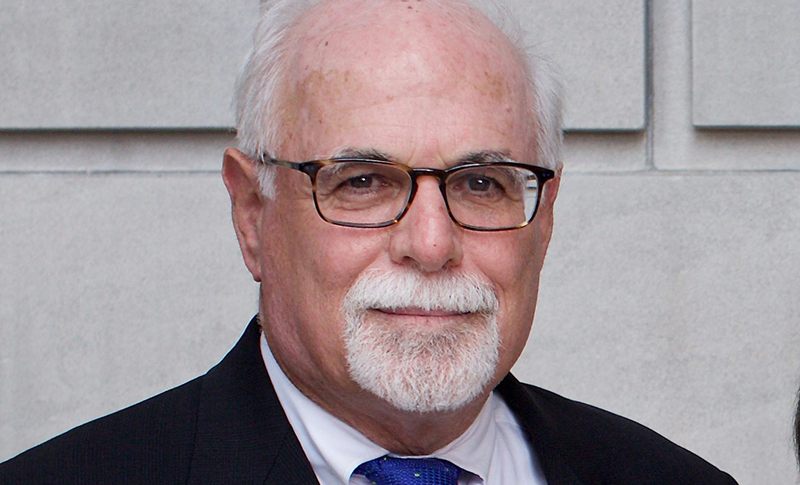
Peter Beckerman is a Vietnam veteran and former carpenter who was diagnosed with stage 4 colorectal cancer in 2008. With over 16 years of survival since his initial diagnosis, he relishes being a grandfather and spending time with his family.
The ESSAY column in Conquer is devoted to lifting the voices of people touched by cancer.
Read more essays or submit yours.