





Recent Patient Access Network (PAN) Foundation Center for Patient Research findings1 revealed that 25% of patients living with chronic health conditions said financial toxicity—the impact on mental and physical health associated with affording treatment for your chronic condition—affects them a great deal, an increase compared with 23% in 2024.
Following a cancer diagnosis, patients should be able to focus on their journey to wellness—not the impending costs of treatment. However, this often isn’t the case. Separate polling from PAN’s Center for Patient Research found that roughly 30% of US adults and 37% of patients with a chronic condition needed financial assistance in the previous year to help cover out-of-pocket healthcare expenses.2 Yet, 40% of US adults had never heard about independent charitable assistance foundations like the PAN Foundation.
When the financial impact of frequent doctor visits, lab tests, prescription medications, and health insurance creates added stress in addition to a diagnosis, patients quickly turn to the internet or their healthcare provider for guidance on where to find financial assistance. As the Chief Mission Officer at the PAN Foundation, I’m pleased to share how we can support patients with our financial assistance resources, including disease-specific funding for more than 20 types of cancer. Over the past 20 years, we have provided more than $4.5 billion in financial assistance to over 1.3 million underinsured people with life-threatening, chronic, and rare diseases across every US state and territory.
About PAN’S Financial Assistance
The PAN Foundation provides financial assistance to help pay for medication copay costs. Our transportation grant, available to patients who already have a copay or premium grant through PAN, provides $500 to help cover the transportation costs to and from activities that improve the patient’s overall health—such as grocery store or pharmacy visits, medical appointments, or support group meetings. We have 24 types of financial assistance funds for cancers—from chronic lymphocytic leukemia to Waldenstrom macroglobulinemia and many more. On our website3 individuals can search by treatment or disease, check eligibility, and apply for a disease-specific grant in just a few minutes. Patients can apply directly, or their loved ones, healthcare providers, or pharmacies can apply on their behalf.
Grant amounts and eligibility requirements vary by disease, but generally we help people who:
- Live in the United States or US territories (citizenship not required)
- Have insurance coverage
- Are prescribed a covered medication within the given disease fund
- Have an income of less than 500% of the federal poverty level (or less than $105,750 for a family of 2, as noted in the Table).4

What To Do If A Fund Is Closed
If a fund is closed, patients—or their loved ones or healthcare providers—can sign up for PAN’s wait list. When more funding is available, everyone on the wait list will get an alert that they can apply before the fund opens to the public. Those patients who apply during the wait list period are then provided grants in the order they joined the wait list (not in the order they submitted their application).
Which Medications Are Covered
With copay grants, patients choose which pharmacies and providers they use, as well as which covered medications in their treatment plan they want to use. The PAN Foundation creates a standardized list of covered medications for each disease fund, known as a formulary, which covers all prescription medications, including generic or bioequivalent drugs, that are:
- FDA approved
- Listed in official compendia, or
- Published in evidence-based or clinical guidelines
We list all covered medications on the disease fund pages on our website.5
PAN Foundation’s Oncology Financial Assistance Funds
- Acute myeloid leukemia
- Basal cell carcinoma
- Biliary tract cancer
- Bladder cancer
- Breast cancer
- Chronic lymphocytic leukemia
- Colorectal cancer
- Follicular lymphoma
- Gastrointestinal stromal tumors
- Glioblastoma multiforme
- Liver cancer
- Mantle cell lymphoma
- Melanoma
- Multiple myeloma
- Myelodysplastic syndrome
- Non-Hodgin lymphoma
- Non–small cell lung cancer
- Ovarian cancer
- Pancreatic cancer
- Philadelphia chromosome–negative myeloproliferative neoplasms
- Prostate cancer
- Renal cell carcinoma
- Small cell lung cancer
- Waldenström macroglobulinemia
How To Apply
You can apply for a PAN grant if you:
- Are currently in treatment or taking medication for your diagnosis
- Got treatment in the past 90 days
- Are scheduled to begin treatment in the next 120 days
Applying is easy and available 24/7 through our online portal.6 To apply by phone, call us at 1-866-316-7263 Monday through Friday, 9 AM to 5:30 PM ET. We have translation services available in 100 languages to support callers, as well as Spanish-language resources on our website. Healthcare professionals, including providers and pharmacies, can apply online through the PAN portal or by phone on behalf of their patients.
Beatriz’s Cancer Journey
When Beatriz Restrepo Gomez went to her doctor for a routine checkup and blood test, she felt better than ever. Yet, the following morning at 7 AM, her doctor called to share that Beatriz’s white blood cell count was extremely high and urged her to go to the hospital. On that day in January 2020, Beatriz was diagnosed with chronic lymphocytic leukemia (CLL).
Thankfully, Beatriz’s cancer did not require immediate treatment; however, that shifted in September 2023 when her CLL advanced and she needed chemotherapy—and the most effective option was also the most expensive. Medicare would cover most of it, but the yearlong treatment was still going to cost her $3500 a month out of pocket. Beatriz frantically calculated ways to adjust her lifestyle to afford her cancer treatment. She considered picking up a second job, downsizing her apartment, and even taking out a loan to pay for her treatment.
Then Beatriz got a call from the hospital, telling her she was eligible for a copay grant from the PAN Foundation. Suddenly, the best possible cancer care was within reach. She was able to start right away and, as of today, Beatriz’s cancer is in remission.
“This is a miracle. If it had not been for [PAN], I would not have had access to the treatment. I would not be telling my story,” Beatriz said.
The PAN Foundation developed FundFinder, the first and only free online tool that lets you track more than 200 financial assistance programs across 9 charitable organizations, including PAN.
More Ways to Find Financial Assistance
The PAN Foundation developed FundFinder, the first and only free online tool that lets you track more than 200 financial assistance programs across 9 charitable organizations, including PAN. Anyone can sign up for real-time email or text alerts to learn when funding is available. To date, we’ve sent more than 2 million notifications to alert people about available assistance. FundFinder also lists nearly 150 advocacy and patient support organizations, connecting patients with additional resources like support groups, clinical trial information, educational resources, and more. We are committed to connecting patients across the country with the financial assistance they need and deserve, regardless of the source. To further assist patients who have a hard time paying for their prescription medications or treatments, we offer online financial assistance hubs with topics such as “How to find financial assistance for your prescription medications”7 and “Tips for saving money on prescription medications.”8 These digital hubs highlight available resources, outside of PAN, that patients can utilize for additional financial support.
Other Offerings From PAN
In addition to our financial assistance programs, we advocate for policy solutions that expand access to care and deliver education on complex healthcare topics. At PAN, we champion patient-first, common-sense policies that we believe will help improve access to care. We serve as a centralized place to find resources relating to key healthcare access and affordability issues, helping patients, healthcare professionals, and policymakers take action.
We also see education as a key cornerstone of our mission. We offer educational resources and training that focus on topics that are often hard to explain and even more challenging for patients to navigate. This includes educational hubs on:
- Recent Medicare Part D reforms9
- Clinical trials10
- Navigating financial assistance11
- Programs that impair access to care, such as alternative funding programs and copay accumulators12
Through our financial assistance, advocacy, and education offerings, we’re working to ensure everyone—regardless of where they live, their income, or their background—can access the treatments they need. To learn more, visit the PAN Foundation website.3
References
- PAN Foundation. 2025 State of Patient Access Report. Accessed October 28, 2025. www.panfoundation.org/state-of-patient-access/
- PAN Foundation. PAN patient research reveals low understanding of healthcare plans and financial assistance. April 30, 2025. Accessed October 28, 2025. www.panfoundation.org/pan-patient-research-reveals-low-understanding-of-healthcare-plans-and-financial-assistance/
- PAN Foundation. Accessed October 28, 2025. www.panfoundation.org
- Office of the Assistant Secretary for Planning and Evaluation (ASPE). Poverty guidelines. 2025. Accessed October 28, 2025. https://aspe.hhs.gov/topics/poverty-economic-mobility/poverty-guidelines
- PAN Foundation. Find a disease fund. Accessed October 28, 2025. www.panfoundation.org/find-disease-fund/
- PAN Foundation. Portal. Accessed October 28, 2025. https://panfoundation.my.site.com/s/login?ec=302&startURL=%2Fs%2F
- PAN Foundation. How to find financial assistance for your prescription medications. Accessed October 28, 2025. www.panfoundation.org/how-to-find-financial-assistance-for-your-prescription-medications/
- PAN Foundation. Tips for saving money on prescription medications. Accessed October 28, 2025. www.panfoundation.org/tips-for-saving-money-on-prescription-medications/
- PAN Foundation. Everything you need to know about Medicare reforms. Updated October 2025. Accessed October 28, 2025. www.panfoundation.org/everything-you-need-to-know-about-medicare-reforms/
- PAN Foundation. Welcome to the world of clinical trials. Accessed October 28, 2025. https://clinicaltrials.panfoundation.org/what-should-I-know-first
- PAN Foundation. Patient financial assistance, Accessed October 28, 2025. www.panfoundation.org/education-initiatives/#patient-assistance
- PAN Foundation. Programs that prevent access to care. Accessed October 28, 2025. www.panfoundation.org/education-initiatives/#access
About the Author
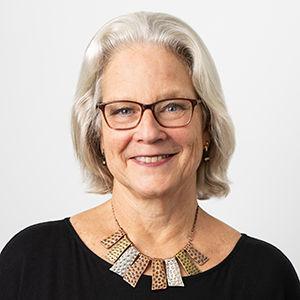
Amy Niles is the Chief Mission Officer for the Patient Access Network (PAN) Foundation, an independent, national 501(c)(3) organization dedicated to helping underinsured people with life-threatening, chronic, and rare diseases with the out-of-pocket costs for their prescribed medications. She leads the organization’s education initiatives, program development, clinical affairs, and advocacy strategy, while overseeing public policy and advocacy initiatives, external relations, and marketing and communications.
